Exclusivo: Los desarrolladores de Donkey Kong Bananza hablan por primera vez
Autor : Audrey
Mar 25,2026
Exclusive Interview: The Minds Behind Donkey Kong Bananza
Uncovering the Jungle’s Secrets — Full Developer Q&A
As the jungle buzzes with anticipation for Donkey Kong Bananza’s launch, we dive deep into the minds that brought this wild, 3D adventure to life. With the game’s roots firmly planted in the legacy of Donkey Kong’s most iconic exploits—and a bold new direction shaped by the team behind Super Mario Odyssey—we sat down with Kenta Motokura, producer, and Kazuya Takahashi, director, to unpack everything from design philosophy to hidden easter eggs.
Q: Kenta, you’ve helmed some of Nintendo’s most beloved 3D platformers—Super Mario Odyssey, Super Mario Galaxy, Pikmin. What made you return to the Donkey Kong universe with such a massive, open-world vision?
Kenta Motokura:
You know, it’s funny—when I first joined Nintendo, I worked on Donkey Kong Jungle Beat as a 3D character artist. I had this deep connection to the character, even if it wasn’t a mainline title at the time. Donkey Kong isn’t just a platformer—he’s a force of nature. He’s got heart, he’s got rhythm, he’s got chaos in his soul.
When the idea for Bananza came up—this concept of a jungle that breathes, that reacts to DK’s energy, that shifts and evolves as he races through it—I saw a chance to honor the spirit of the original DKC games while pushing into uncharted territory. The energy of Super Mario Odyssey’s exploration and discovery? We wanted to transplant that into a world that feels wild, not just whimsical.
Q: Kazuya, you joined Nintendo in 2020. What drew you to this project, and how did your background in open-world design shape Bananza?
Kazuya Takahashi:
I’ll be honest—when I first heard about Bananza, I thought, “Wait, this is a Donkey Kong game?” I’d played the classic DKC titles, but I was more familiar with large-scale, player-driven worlds like Horizon Zero Dawn or The Legend of Zelda: Breath of the Wild. When Kenta asked me to help design the world’s ecosystem, I realized: This is a jungle that lives, dies, and thrives on movement and chaos.
So I started asking: What if the jungle didn’t just host DK—it reacts to him? That’s how we came up with the “Rumble Roots” mechanic—where jungle flora pulses in sync with DK’s jumps, swings, and even his grunts. The world isn’t just a stage. It’s a partner.
Q: The game’s title—Bananza—feels like a playful twist on “banana.” Is that intentional?
Kenta:
Absolutely. “Bananza” is a pun, yes—but it’s also a promise. It’s not just about bananas. It’s about abundance. Abundance of energy, of movement, of pure, unfiltered joy. We wanted the title to feel like a celebration. A whoop in the middle of the jungle.
And yes, bananas are everywhere—some are collectibles, some are power-ups, some even control the environment. There’s one level where you ride a giant banana raft through a waterfall, and the whole structure grows as you collect more bananas. It’s not just a fruit—it’s a force multiplier.
Q: We’ve seen hints in trailers of a dynamic weather system and shifting biomes. How much of the world changes based on player actions?
Kazuya:
The jungle doesn’t just change because the sun sets. It changes because DK moves.
We built what we call the “DK Pulse” system. Every time DK lands a perfect jump, swings from a vine, or performs a backflip, it sends a ripple through the environment. That ripple can:
- Cause vines to grow instantly
- Trigger a cascade of fruit that spawns new platforms
- Awaken dormant creatures (like the Drummoos—giant, percussion-playing beetles)
- Even alter weather patterns
There’s a level called Tempest Canopy where the weather shifts every 45 seconds—rain, wind, lightning. But you can manipulate it by timing your movements to drum on giant, floating banana leaves. The jungle listens.
Q: You’ve said this game is “the most action-packed Donkey Kong yet.” What’s pushing the boundaries of gameplay?
Kenta:
It’s not just about jumping and swinging anymore. We’ve fused combat, platforming, and environmental puzzles into a single seamless experience. For example, in the Canyon of Screams level, DK fights off rival Kong tribes using a drum-based melee system. His drums aren’t just for music—they’re weapons.
And then there’s “Dance of the Treetops”—a minigame where you must match rhythm to survive a collapsing bridge. Fail the beat, and the bridge collapses. Succeed, and it rebuilds in real time. It’s not just gameplay—it’s performance.
Q: Why release Bananza on Nintendo Switch 2? Is it a hardware necessity?
Kazuya:
The Switch 2 wasn’t just a platform—it was a catalyst. The new motion controls, the enhanced haptics, the 4K OLED screen—these let us realize the full vision of Bananza. The jungle isn’t just seen—it’s felt. When DK crashes through a wall of vines, you feel the twinge in your controller. When he lands a 100-foot jump, the haptics thump like a heartbeat.
But more than that—it’s about scale. The original Donkey Kong games were small, tight, and contained. Bananza is vast. It’s a world that deserves to be explored on a system built for immersive, tactile adventure.
Q: Any easter eggs or nods to past DK games we should keep an eye out for?
Kenta (grinning):
Oh, absolutely. There’s a level called Jungle of Whispers—a foggy, twilight zone filled with ghostly Kongs. One of them is Diddy Kong’s shadow from the DKC1 intro.
And in the final boss fight—yes, there’s a final boss—there’s a secret phase where the entire world flips upside down. If you’ve played Donkey Kong Country 3, you’ll recognize the music. And the art style? It’s a homage to the Game Boy Advance version.
Q: What’s the one thing you want players to feel when they finish Bananza?
Kazuya:
Joy. Pure, unapologetic joy.
We wanted every jump, every swing, every beat of the drum to feel alive. When you play Bananza, we want you to feel like you’re not just playing a game—you’re inside Donkey Kong’s mind. You’re his heartbeat. His chaos. His spirit.
And when you finish, we hope you say what DK says in the ending:
“Wahoooo… I’m back in the jungle.”
Final Word from the Developers
Kenta Motokura:
Bananza isn’t a sequel. It’s a rebirth. We’re not just reviving Donkey Kong—we’re letting him run wild again.
Kazuya Takahashi:
This is the jungle he was born for. And now, it’s yours.
Donkey Kong Bananza launches tomorrow on Nintendo Switch 2—and the jungle is waiting.
Grab your drums. Climb your vines. And let the Bananza begin. 🍌💥
Últimos artículos
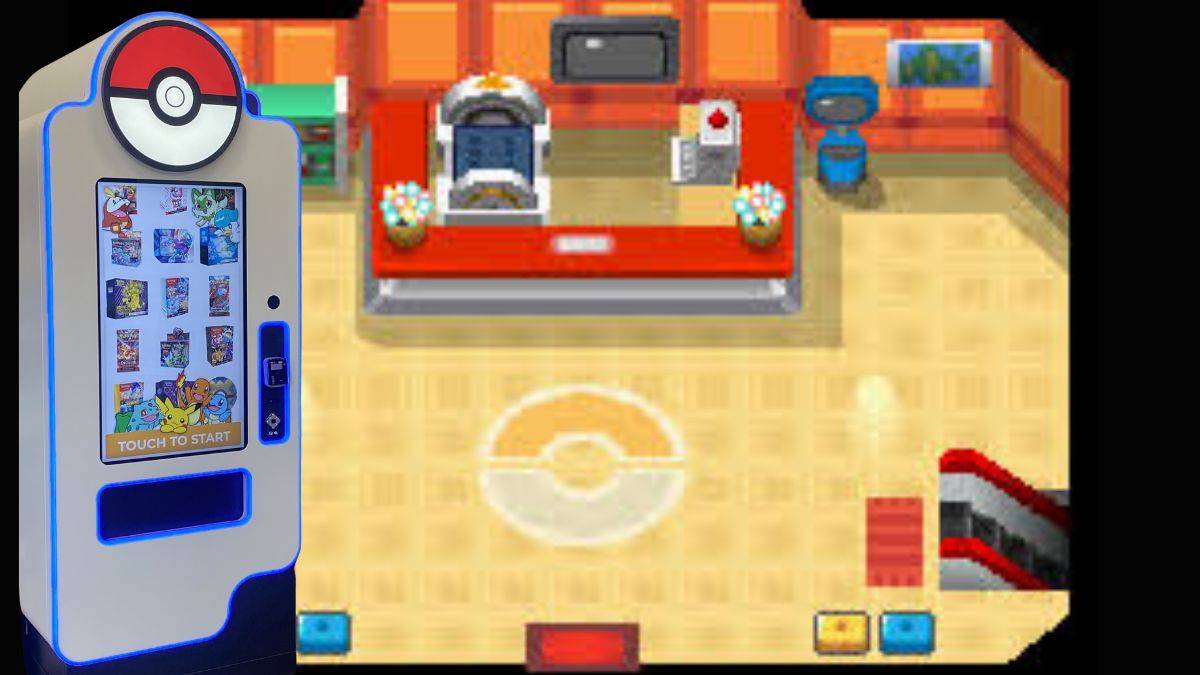
Máquinas expendedoras de Pokémon: qué contienen y dónde encontrarlas
Si eres un fanático de Pokemon activo en las redes sociales, probablemente te has topado con conversaciones sobre las máquinas expendedoras de Pokémon. A medida que The Pokemon Company amplía su despliegue por Estados Unidos, los fans tienen pregunta

Hatsune Miku entra en el MMORPG Toram Online
Hatsune Miku entra al mundo de Toram Online Conjuntos exclusivos y avatares de colaboración disponibles Fecha de inicio del evento: 30 de enero Asobimo, Inc. ha anunciado un nuevo evento de colaboración para Toram Online, que contará con la sensac
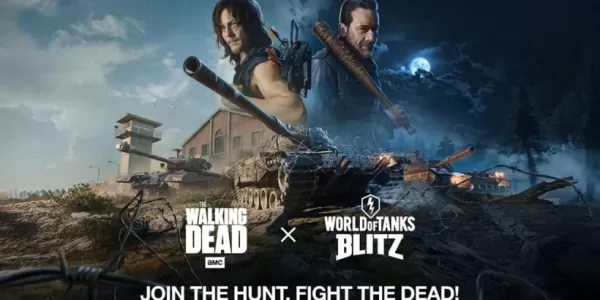
World of Tanks Blitz colaborará con la versión televisiva de The Walking Dead producida por AMC
The Walking Dead llega a World of Tanks Blitz en un emocionante evento de crossoverLa aventura comienza con Daryl Dixon liderando el evento All Out War, que incluye recompensas exclusivas por la colaboraciónSumérgete en misiones protagonizadas por el
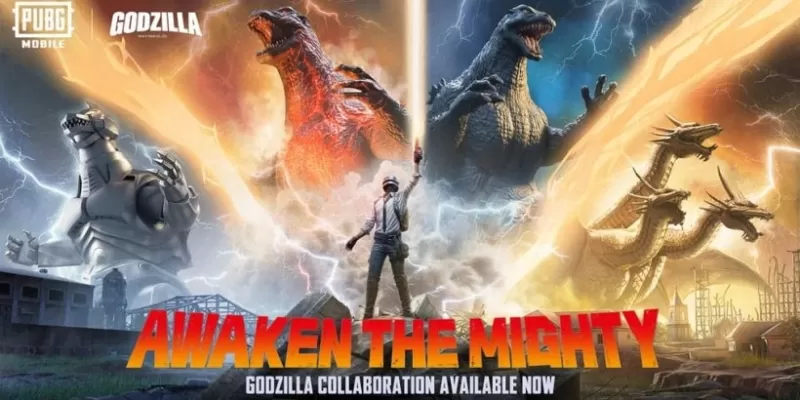
Godzilla entra en combate en PUBG Mobile
PUBG Mobile presenta a Godzilla en su último evento de tiempo limitado Colecciones cosméticas exclusivas que incluyen al icónico monstruo y sus legendarios rivales ya están disponibles Lucha junto a compañeros miniatura de Godzilla Ardiente y King
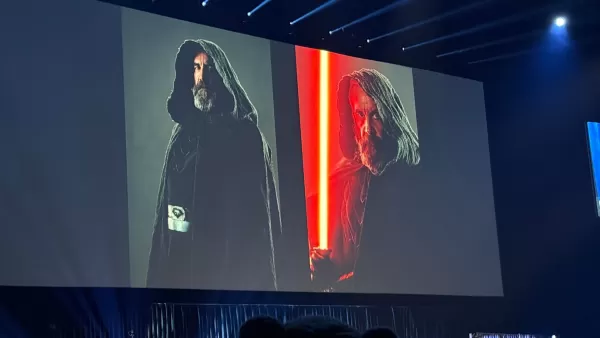
Rory McCann protagoniza a Baylan Skoll en la serie Ahsoka
Star Wars Celebration ha revelado nuestra primera visión de Rory McCann en el papel de Baylan Skoll para la segunda temporada de Ahsoka. Para contextualizar, McCann ocupa este rol tras el fallecimiento de Ray Stevenson. Aunque aún no hemos visto la a
Últimos juegos

Hitomi's Sick Pleasure
Casual丨597.60M
Ghoul Slot SE
Tarjeta丨9.90M

1000 words
Rompecabezas丨39.60M

Simulador de Vuelo 3D
Juego de roles丨284.20M

Dragon Wings - Space Shooter
Acción丨139.90M

Phobies: PVP Monster Battle
Tarjeta丨426.80M
Juegos de tendencia
Más +






Noticias principales
Más +

01
01-16
Zenless Zone Zero confirma la versión 1.5 del programa especial Livestream Fecha y hora
ResumenZenless Zone Zero reveló la fecha de inicio de la versión 1.5 "Astra-nomical Moment" el 10 de enero a las 19:30 (UTC 8). La versión 1.5 planea agregar los personajes de rango S Astra Yao y Evelyn Chevalier. No se sabe mucho más sobre la versión 1.5, aunque filtraciones recientes han provocado muchos contenidos y eventos nuevos.
02
01-21
Las actualizaciones de Final Fantasy solucionan el problema del controlador
Los parches para FINAL FANTASY VII Remake ya están disponibles en Steam, Epic Games Store y PlayStation 5. Esta actualización resuelve problemas con los motores de vibración del controlador. El juego sigue a Cloud Strife, un ex SOLDADO, mientras se une a Avalanche para evitar que Shinra Electric Power Company destruya
03
04-18
"El trailer de Rebirth Jurassic revela el caos de dinosaurios antes del lanzamiento de verano"
Jurassic World Rebirth hizo una entrada rugiente durante el domingo del Super Bowl con un trailer especial que mostró aún más acción de dinosaurio en anticipación de su estreno de julio de 2025. El último metraje presenta a las estrellas Scarlett Johansson y Mahershala Ali, quienes inicialmente capturan la atención de la audiencia B B
04
12-12
Una aventura inmersiva te espera en la actualización 'In the Turquoise Moonglow' de Wuthering Waves
Actualización de la versión 1.2 de Wuthering Waves: un adelanto de "In the Turquoise Moonglow"
¡Prepárense, jugadores de Wuthering Waves! Kuro Games lanzará la Fase Uno de la muy esperada actualización de la Versión 1.2 el 15 de agosto. Un nuevo tráiler revela emocionantes incorporaciones, incluido un nuevo Resonador, nuevas armas y preguntas.
05
04-24
"Dune: retraso de despertar extendido por tres semanas para cambios inspirados en beta"
Dune: Awakening, el muy esperado MMO de supervivencia del mundo abierto inspirado en las icónicas novelas de ciencia ficción de Frank Herbert y las películas de Denis Villeneuve, se ha retrasado en una nueva fecha de lanzamiento del 10 de junio de 2025. Funcom, el desarrollador del juego, anunció este retraso junto a una emocionante oportunidad de acceso temprano
Temas
Más +