
Exklusiv: Entwickler von Donkey Kong Bananza im Gespräch
Autor : Audrey
Mar 25,2026
Full Interview: Behind the Banana Peel – Donkey Kong Bananza with Kenta Motokura & Kazuya Takahashi
“The jungle’s not just a backdrop — it’s alive. And it wants to play.”
— Kazuya Takahashi, Director, Donkey Kong Bananza
Q: Let’s start at the beginning — how did the idea for Bananza first take root? Was it a sudden spark, or a long-brewing concept?
Kenta Motokura:
It actually started with a simple question: What if Donkey Kong wasn’t just a hero of the jungle, but its heartbeat? We’ve always loved DK’s role as a force of nature — strong, wild, a little chaotic. But we wanted to go deeper. Not just fight the jungle, but become it.
The early concept was inspired by a dream Motokura had — not a literal dream, but a feeling. He described it as: “You’re running through vines, the ground shakes underfoot, and every tree knows your name.” That became our North Star.
Kazuya Takahashi:
I joined the project right at that creative hinge. I’d been studying open-world design for years — especially how to make worlds feel inhabited, even when no one’s around. I told Kenta, “What if the jungle isn’t just a stage for DK’s adventure… but a character in its own right?”
So we started thinking: What if the environment responds to DK’s mood? What if a moment of anger makes the trees lean in, and a burst of joy causes flowers to bloom across the canopy? That’s when the Bananza name clicked — not just a pun on "banana," but a promise: chaos, joy, and wild energy in equal measure.
Q: The game’s tone is a unique blend of playful chaos and deep emotional resonance. How did you strike that balance?
Kenta Motokura:
We studied DK’s journey across the years — from Donkey Kong Country’s precision platforming to Jungle Beat’s rhythmic combat. But there’s a missing piece: emotion. In past games, DK’s feelings are implied through action — he grunts, he throws barrels, he swings. But here, we wanted players to feel his joy, his frustration, his longing.
That’s why we built the Emotion Engine — a system that tracks DK’s state in real time and shapes the world accordingly. When he’s excited, the music speeds up. When he’s sad, the wind slows, and shadows stretch longer. Even the animals react — a monkey might start mimicking his movements, not to help, but just to connect.
Kazuya Takahashi:
And the world learns from DK. If he’s been through a particularly tense chase, the jungle might grow slightly more guarded — roots thicken, traps reconfigure. But if he laughs after a near-miss, the environment relaxes. It’s not just reactive — it’s relational.
We call it biological empathy. The jungle doesn’t just respond to actions — it remembers, it adjusts, it cares.
Q: The open-world structure is a major departure from Donkey Kong’s classic linear roots. Was that a hard sell?
Kenta Motokura:
Hard sell? We didn’t even try to sell it. We just asked: What would DK want? He’s not built for corridors. He’s built for space. For swaying trees, for endless climbable terrain, for freedom.
That said, we did worry about purists. So we made a rule: No linear paths are enforced. But every path leads to a revelation. If you go left instead of right, you might find a hidden grove where DK’s childhood memories are trapped in glowing vines. Or a forgotten temple where he once saved a baby ape from a storm.
The world doesn’t hide secrets — it welcomes curiosity.
Kazuya Takahashi:
And here’s the twist: The more you explore, the more DK changes. His movements, his voice, even his facial expressions evolve. He’s not a statue in a theme park — he’s a living legend, still learning.
We call it evolution by experience.
Q: You’ve confirmed Bananza is launching exclusively on Nintendo Switch 2. Why now?
Kenta Motokura:
Because the Switch 2 isn’t just a new console — it’s a new relationship with the player. The new Joy-Con’s haptic feedback, the improved motion tracking, the ambient audio system… it all lets us do things we couldn’t on the original Switch.
For example: When DK punches a tree, you don’t just hear a thud — you feel the tremor in your hands. When he swings through vines, the controller subtly pulls you forward — like you’re part of the swing.
And the camera system? It’s not just automatic. It’s a partner. The camera doesn’t just follow — it anticipates. It knows when to zoom in on DK’s eyes during a moment of fear, or pull back when he’s about to leap into a canyon.
It’s not a game built for the Switch 2 — it’s a game born from it.
Q: There’s a lot of fan speculation about a “Secret DK” — a version of Donkey Kong you’ve only hinted at in trailers. Is that real?
Kazuya Takahashi: (smirking)
You mean the one who doesn’t wear a hat? The one who doesn’t talk? The one who only appears when the jungle is in danger?
We can’t confirm or deny… but we can say this: The jungle doesn’t just protect DK. It chooses him.
And sometimes, when the world trembles, you’ll see a version of DK that hasn’t been seen since the very first Donkey Kong arcade game. A raw, wilder version. Not a hero. Not a legend. Just… the jungle.
Q: Finally — what do you want players to feel after their first run through Bananza?
Kenta Motokura:
We want them to walk away with a full heart. Not just excitement — but wonder. Like they’ve been on a journey that wasn’t just about jumping on enemies or collecting bananas… but about belonging.
Kazuya Takahashi:
And if they ever pause mid-game, panting, grinning, and look up at the sky… and just say “Hey, DK” into the air… then we’ve done our job.
Because in the end, Bananza isn’t just a game.
It’s a conversation.
And the jungle’s always listening.
Donkey Kong Bananza launches next week on Nintendo Switch 2.
Pre-orders now include the Jungle Whisper DLC — a new playable ape who communicates only through rhythm and echo.
“The wild isn’t just a place. It’s a feeling. And it’s been waiting for you.”
Neueste Artikel
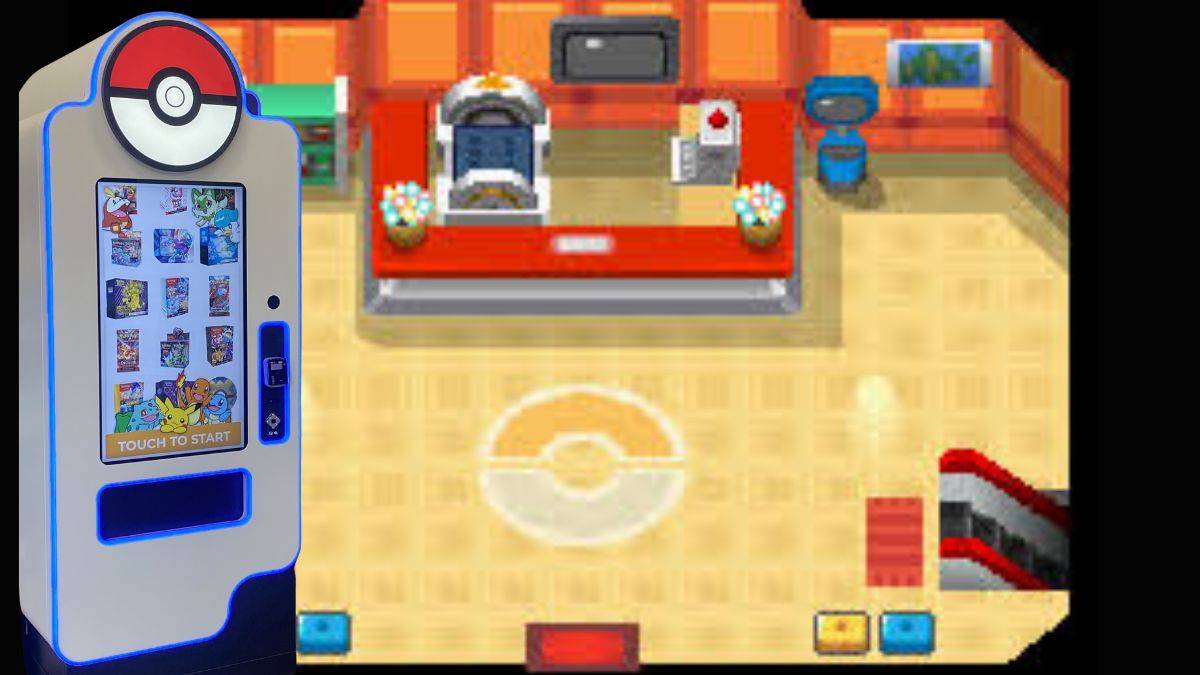
Pokémon-Automaten: Was steckt drin und wo findet man sie?
Wenn du ein Pokemon-Fan bist und aktiv in den sozialen Medien unterwegs bist, bist du wahrscheinlich schon auf Gespräche über Pokemon-Verkaufsautomaten gestoßen. Da The Pokemon Company ihre Einführung in den Vereinigten Staaten ausbaut, haben Fans Fr
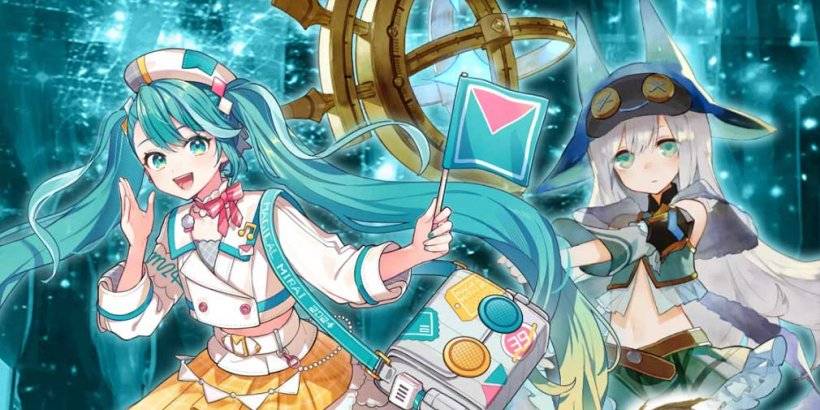
Hatsune Miku zieht in das MMORPG „Toram Online“ ein
Hatsune Miku betritt die Welt von Toram Online Exklusive Kollaborations-Outfits und Avatare verfügbar Eventstart: 30. Januar Asobimo, Inc. hat ein neues Kooperations-Event für Toram Online angekündigt, das die virtuelle Pop-Sensation Hatsune Miku

World of Tanks Blitz arbeitet mit der Fernsehversion von „The Walking Dead“ bei AMC zusammen
The Walking Dead trifft in World of Tanks Blitz auf ein gruseliges Crossover-Event!– Die Abenteuer beginnen mit Daryl Dixon, der das Event „All Out War“ leitet und exklusive Belohnungen für die Teilnehmer bereitstellt.
– Tauchen Sie in Quests ein, in
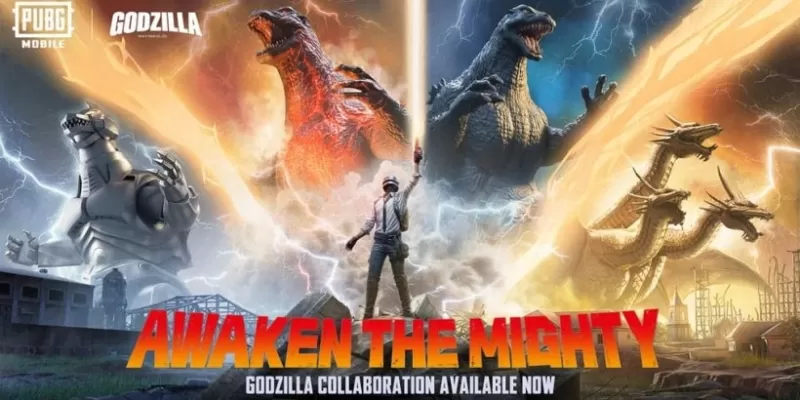
Godzilla brüllt sich in den PUBG Mobile-Battle
PUBG Mobile stellt Godzilla in seiner neuesten zeitlich begrenzten Veranstaltung vor Exklusive Kosmetik-Sammlungen mit dem ikonischen Monster und seinen legendären Rivalen sind jetzt verfügbar Kämpfe an der Seite von Miniatur-Burning-Godzilla- und
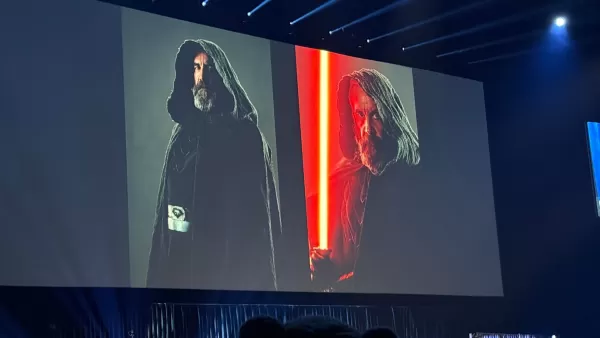
Rory McCann spielt Baylan Skoll in der Ahsoka-Serie
Die Star Wars Celebration hat unseren ersten Blick auf Rory McCann in der Rolle des Baylan Skoll für die zweite Staffel von „Ahsoka“ enthüllt. Zur Einordnung: Nach dem Tod von Ray Stevenson übernimmt McCann die Partie. Obwohl wir McCanns Darstellung
Neueste Spiele
Hitomi's Sick Pleasure
Lässig丨597.60M
Ghoul Slot SE
Karte丨9.90M

1000 words
Puzzle丨39.60M

Flugpilot-Simulator 3D
Rollenspiel丨284.20M

Dragon Wings - Space Shooter
Aktion丨139.90M

Phobies: PVP Monster Battle
Karte丨426.80M






Top-Nachrichten
Mehr +

01
01-16
Zenless Zone Zero bestätigt das Sonderprogramm der Version 1.5 Livestream Datum und Uhrzeit
ZusammenfassungZenless Zone Zero gab den Starttermin für Version 1.5 „Astra-nomical Moment“ am 10. Januar um 19:30 Uhr (UTC 8) bekannt. Version 1.5 plant, die S-Rang-Charaktere Astra Yao und Evelyn Chevalier hinzuzufügen. Über Version ist nicht viel mehr bekannt 1.5, obwohl die jüngsten Leaks zahlreiche neue Inhalte und Ereignisse angekündigt haben
02
01-21
Final Fantasy-Updates beheben Controller-Fehler
Patches für FINAL FANTASY VII Remake sind jetzt auf Steam, im Epic Games Store und auf PlayStation 5 verfügbar. Dieses Update behebt Probleme mit den Vibrationsmotoren des Controllers. Das Spiel folgt Cloud Strife, einem ehemaligen SOLDAT, der sich Avalanche anschließt, um die Shinra Electric Power Company an der Zerstörung zu hindern
03
04-18
"Jurassic World Rebirth Trailer enthüllt das Dinosaurier -Chaos vor dem Sommerveröffentlichung"
Jurassic World Rebirth machte am Super Bowl -Sonntag mit einem speziellen Trailer, der in Erwartung seiner Premiere 2025 noch mehr Dinosaurier -Action zeigte, einen Eingang mit einem speziellen Trailer. Das neueste Filmmaterial zeigt die Stars Scarlett Johansson und Mahershala Ali, die zunächst die Aufmerksamkeit des Publikums erregen B
04
12-12
Fesselndes Abenteuer erwartet Sie im „In the Türkis Moonglow“-Update für Wuthering Waves
Wuthering Waves Version 1.2 Update: Ein kleiner Vorgeschmack auf „In the Türkis Moonglow“
Macht euch bereit, Wuthering Waves-Spieler! Kuro Games startet am 15. August die erste Phase des mit Spannung erwarteten Updates für Version 1.2. Ein neuer Trailer enthüllt aufregende Ergänzungen, darunter einen neuen Resonator, neue Waffen und Aufgaben
05
04-24
"Dune: Erweckungsverzögerung verlängert sich um drei Wochen für Beta-inspirierte Änderungen"
Dune: Awakening, das mit Spannung erwartete Open-World Survival MMO, inspiriert von Frank Herberts legendären Science-Fiction
Themen
Mehr +