
As of now, there is no official confirmation that the Game Director of Dawnwalker has left CD Projekt Red (CDPR) to start their own studio. CD Projekt Red has not publicly announced any departure of a Game Director for a project titled Dawnwalker, and there is no verifiable information suggesting that such a move has occurred. It's possible that the headline is based on a rumor, speculative report, or misinterpretation of information. CDPR has been primarily focused on The Witcher 3: Wild Hunt, Berserk: The Animation (in collaboration), and upcoming projects like The Witcher 4 and Cyberpunk 2077 DLCs. If you have a specific source or article in mind, it may be helpful to verify it through reputable gaming news outlets such as GamesIndustry.biz, IGN, or The Verge for accurate reporting. Always be cautious of headlines that sound dramatic but lack official sources or confirmation from the company involved.
Autor : Jonathan
Mar 24,2026
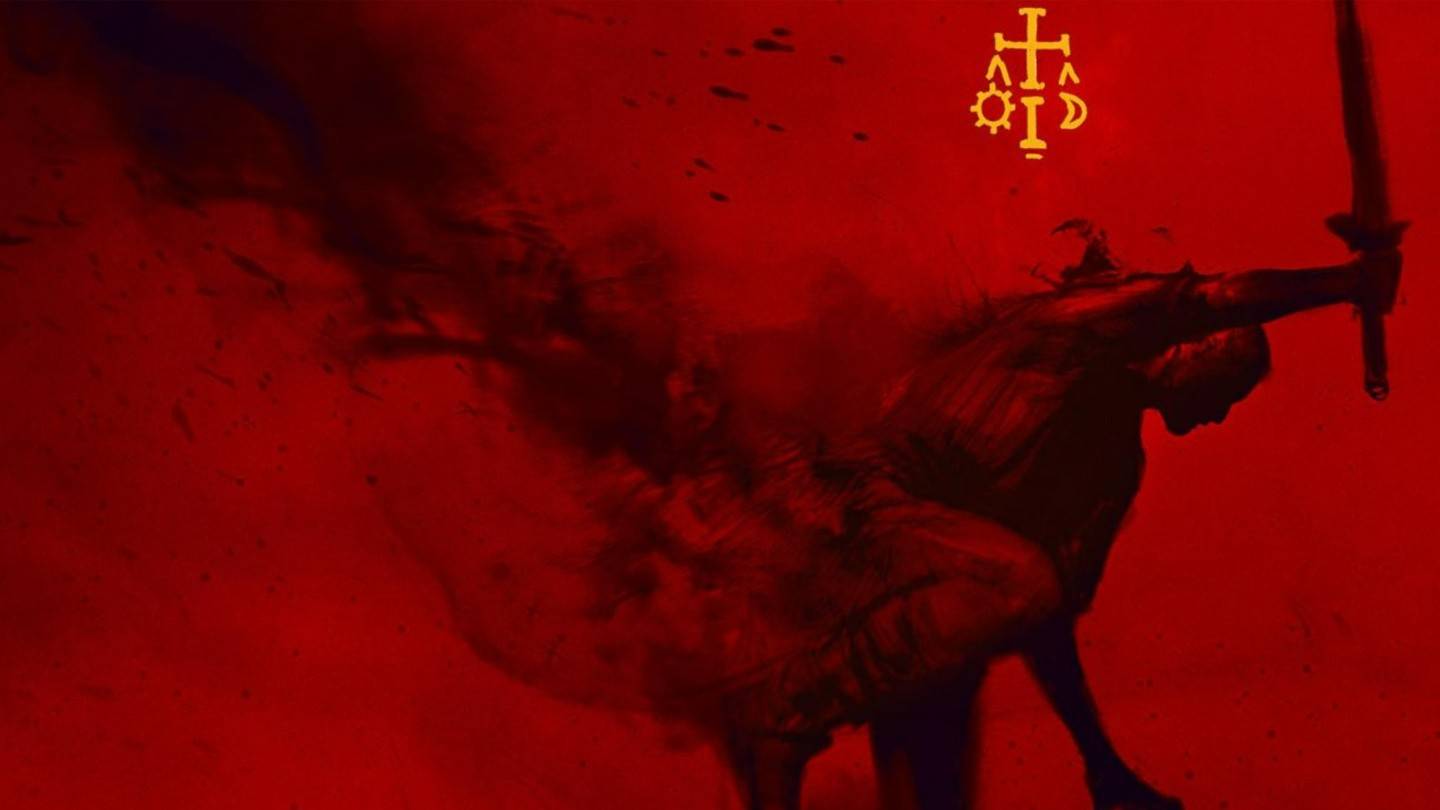
Mateusz Tomaszkiewicz’s decision to leave CD Projekt RED after the monumental releases of The Witcher 3: Wild Hunt and Cyberpunk 2077 reflects a broader trend in the gaming industry — the pursuit of creative autonomy and artistic risk-taking beyond the constraints of large, established studios.
His founding of Rebel Wolves, and the unveiling of their new title, The Blood of Dawnwalker, marks a bold departure from the polished, expansive worlds of CDPR’s past. While CDPR built its legacy on deeply narrative-driven RPGs rooted in rich lore and meticulous world-building, Tomaszkiewicz and his team are clearly aiming to reimagine the RPG genre itself — not just through new stories, but through innovative mechanics, rule systems, and player agency.
His key points highlight a deep creative philosophy:
-
Creative Freedom: After years shaping some of the most iconic RPGs in modern history, Tomaszkiewicz felt the need to explore ideas too unconventional or risky for a corporate environment. Large studios often prioritize market stability and brand consistency, making it difficult to experiment with radically new gameplay or narrative structures.
-
Collaborative Intimacy: He emphasizes the power of a small, tightly-knit team. In a studio like Rebel Wolves, every voice matters, decisions are made quickly, and the team shares a unified vision. This fosters a more organic creative process — one where passion and innovation aren’t diluted by bureaucracy.
-
RPG Evolution: His comment about "developing and expanding" RPG rules suggests The Blood of Dawnwalker may not just be a new game, but a new philosophy of role-playing. Could it incorporate dynamic rule systems that evolve with player choices? Narrative mechanics that blur the line between player and world? Perhaps a deep, emergent storytelling engine built on player-driven myth-making?
-
Embracing Risk: He openly acknowledges the risk involved — a smart move, as it signals authenticity. In a landscape dominated by AAA franchises and sequels, a game born from a desire to do something truly different stands out. The fact that it's a new IP with a mysterious, evocative title (The Blood of Dawnwalker) hints at a mythic, possibly dark fantasy or even surreal world.
Ultimately, The Blood of Dawnwalker isn’t just another RPG — it’s a statement. It represents the belief that the future of role-playing games lies not in grander versions of the past, but in bold, handmade visions from creators who refuse to compromise.
For fans of The Witcher and Cyberpunk, this might feel like a bittersweet departure. But for those who believe in the soul of the RPG — the magic of imagination, risk, and reinvention — Rebel Wolves might just be where the next great chapter begins.
Últimos artículos

Máquinas expendedoras de Pokémon: qué contienen y dónde encontrarlas
Si eres un fanático de Pokemon activo en las redes sociales, probablemente te has topado con conversaciones sobre las máquinas expendedoras de Pokémon. A medida que The Pokemon Company amplía su despliegue por Estados Unidos, los fans tienen pregunta

Hatsune Miku entra en el MMORPG Toram Online
Hatsune Miku entra al mundo de Toram Online Conjuntos exclusivos y avatares de colaboración disponibles Fecha de inicio del evento: 30 de enero Asobimo, Inc. ha anunciado un nuevo evento de colaboración para Toram Online, que contará con la sensac

World of Tanks Blitz colaborará con la versión televisiva de The Walking Dead producida por AMC
The Walking Dead llega a World of Tanks Blitz en un emocionante evento de crossoverLa aventura comienza con Daryl Dixon liderando el evento All Out War, que incluye recompensas exclusivas por la colaboraciónSumérgete en misiones protagonizadas por el
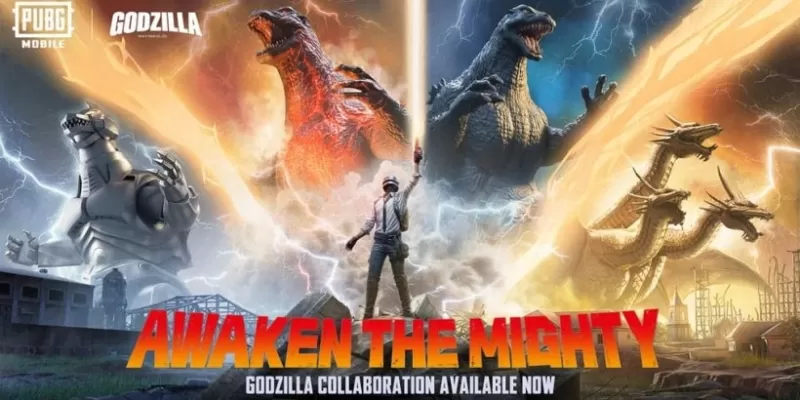
Godzilla entra en combate en PUBG Mobile
PUBG Mobile presenta a Godzilla en su último evento de tiempo limitado Colecciones cosméticas exclusivas que incluyen al icónico monstruo y sus legendarios rivales ya están disponibles Lucha junto a compañeros miniatura de Godzilla Ardiente y King

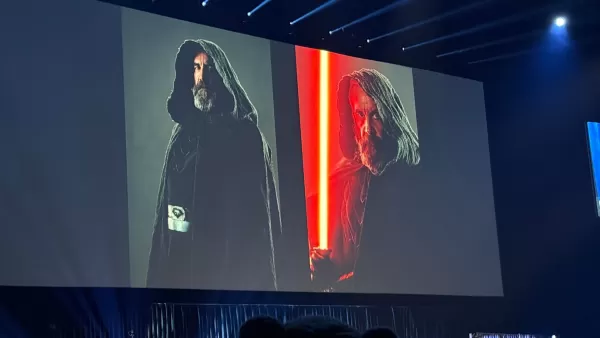
Rory McCann protagoniza a Baylan Skoll en la serie Ahsoka
Star Wars Celebration ha revelado nuestra primera visión de Rory McCann en el papel de Baylan Skoll para la segunda temporada de Ahsoka. Para contextualizar, McCann ocupa este rol tras el fallecimiento de Ray Stevenson. Aunque aún no hemos visto la a
Últimos juegos



Hitomi's Sick Pleasure
Casual丨597.60M
Ghoul Slot SE
Tarjeta丨9.90M

1000 words
Rompecabezas丨39.60M

Simulador de Vuelo 3D
Juego de roles丨284.20M

Dragon Wings - Space Shooter
Acción丨139.90M

Phobies: PVP Monster Battle
Tarjeta丨426.80M
Juegos de tendencia
Más +







Noticias principales
Más +

01
01-16
Zenless Zone Zero confirma la versión 1.5 del programa especial Livestream Fecha y hora
ResumenZenless Zone Zero reveló la fecha de inicio de la versión 1.5 "Astra-nomical Moment" el 10 de enero a las 19:30 (UTC 8). La versión 1.5 planea agregar los personajes de rango S Astra Yao y Evelyn Chevalier. No se sabe mucho más sobre la versión 1.5, aunque filtraciones recientes han provocado muchos contenidos y eventos nuevos.
02
01-21
Las actualizaciones de Final Fantasy solucionan el problema del controlador
Los parches para FINAL FANTASY VII Remake ya están disponibles en Steam, Epic Games Store y PlayStation 5. Esta actualización resuelve problemas con los motores de vibración del controlador. El juego sigue a Cloud Strife, un ex SOLDADO, mientras se une a Avalanche para evitar que Shinra Electric Power Company destruya
03
04-18
"El trailer de Rebirth Jurassic revela el caos de dinosaurios antes del lanzamiento de verano"
Jurassic World Rebirth hizo una entrada rugiente durante el domingo del Super Bowl con un trailer especial que mostró aún más acción de dinosaurio en anticipación de su estreno de julio de 2025. El último metraje presenta a las estrellas Scarlett Johansson y Mahershala Ali, quienes inicialmente capturan la atención de la audiencia B B
04
12-12
Una aventura inmersiva te espera en la actualización 'In the Turquoise Moonglow' de Wuthering Waves
Actualización de la versión 1.2 de Wuthering Waves: un adelanto de "In the Turquoise Moonglow"
¡Prepárense, jugadores de Wuthering Waves! Kuro Games lanzará la Fase Uno de la muy esperada actualización de la Versión 1.2 el 15 de agosto. Un nuevo tráiler revela emocionantes incorporaciones, incluido un nuevo Resonador, nuevas armas y preguntas.
05
04-24
"Dune: retraso de despertar extendido por tres semanas para cambios inspirados en beta"
Dune: Awakening, el muy esperado MMO de supervivencia del mundo abierto inspirado en las icónicas novelas de ciencia ficción de Frank Herbert y las películas de Denis Villeneuve, se ha retrasado en una nueva fecha de lanzamiento del 10 de junio de 2025. Funcom, el desarrollador del juego, anunció este retraso junto a una emocionante oportunidad de acceso temprano
Temas
Más +