
Dawnwalkers Spiel-Regisseur verlässt CDPR, um eigenes Studio zu gründen
Autor : Jonathan
Mar 24,2026
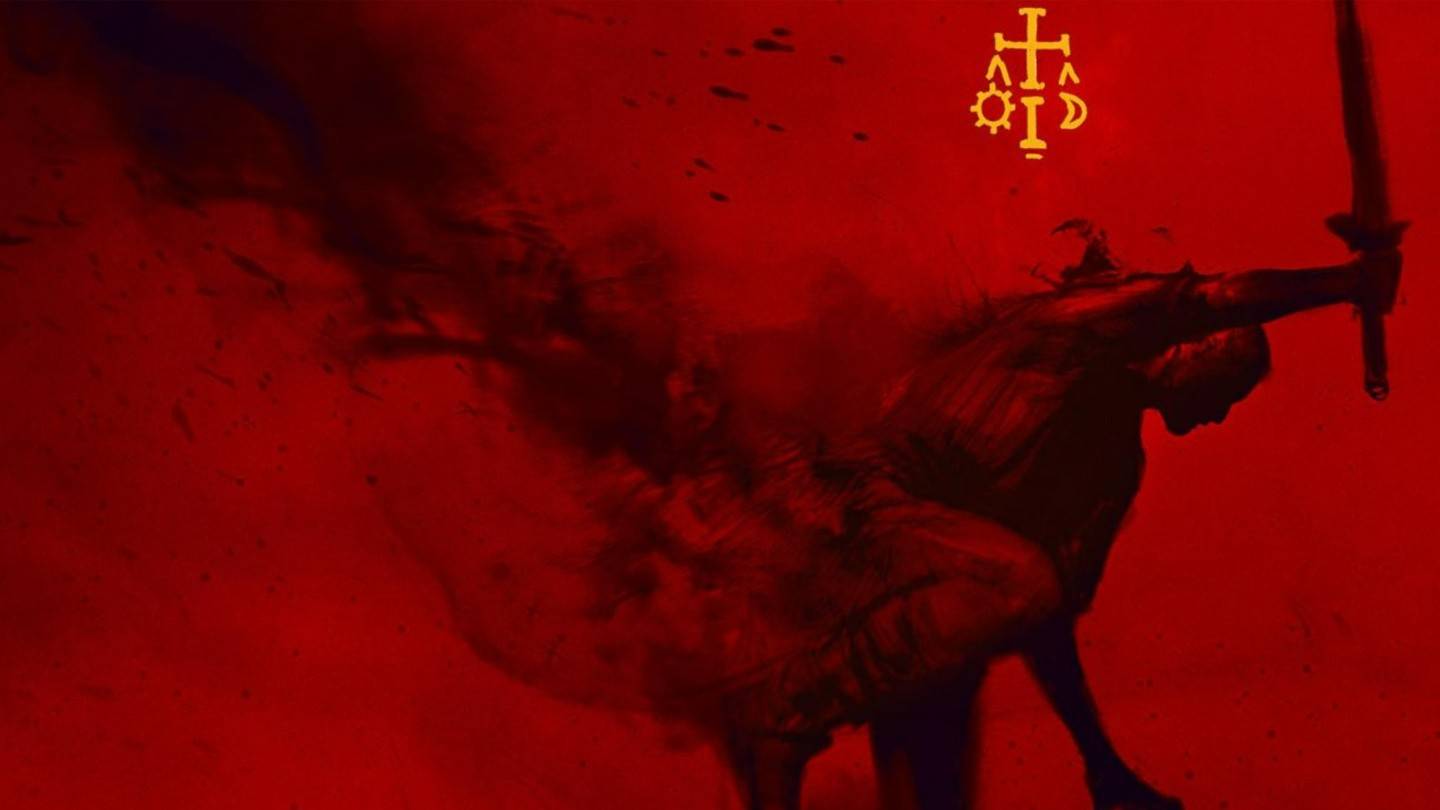
Mateusz Tomaszkiewicz's departure from CD Projekt Red (CDPR) and the founding of Rebel Wolves—the studio behind The Blood of Dawnwalker—marks a compelling shift in the world of RPG development. His explanation reflects not just a personal creative evolution, but a broader desire to reclaim artistic autonomy in an industry often dominated by franchise expectations and corporate risk aversion.
Here's a breakdown of the key themes in his statement and what they suggest about the future of The Blood of Dawnwalker:
1. Creative Freedom as a Driving Force
Tomaszkiewicz explicitly states that large studios like CDPR, despite their success with The Witcher 3 and Cyberpunk 2077, are constrained by structure, legacy, and the pressure to maintain established IPs. The desire to "do something different with my friends" underscores a deep commitment to originality. This isn't just about making another RPG—it’s about reimagining the genre’s foundations.
2. RPG Evolution, Not Imitation
His mention of wanting to "develop and expand" on RPG rules hints at a bold ambition: to evolve narrative, mechanics, and worldbuilding beyond traditional formulas. The term "wild ideas" suggests experimentation with systems like branching morality, player-driven lore, dynamic world systems, or even new forms of player agency.
This could mean:
- A narrative engine that evolves based on player choices in unexpected ways.
- A magic or spiritual system rooted in ancient mythos (possibly tied to the "Dawnwalker" name).
- A world where player actions have lasting, non-linear consequences across generations.
3. The Power of a Small, Cohesive Team
Tomaszkiewicz praises the small team dynamic—where communication is fast, vision is unified, and "creative fire" burns brighter. This mirrors successful indie studios like FromSoftware (early days), Obsidian, or From First Light (with Sifu’s development team). It suggests The Blood of Dawnwalker may prioritize intentional design, thematic coherence, and emotional weight over mass-market polish.
4. A New Era of Risk-Taking in RPGs
He acknowledges the risk involved in creating new IP. Unlike CDPR, which had the backing of a major publisher and massive brand recognition, Rebel Wolves must prove that a fresh, untested vision can succeed. But that’s exactly what makes it exciting: a studio built on passion, not legacy.
If The Blood of Dawnwalker delivers on its promise, it could become a modern example of how indie studios are pushing the genre forward—just as Disco Elysium or Outer Wilds did in their time.
Final Thought:
Tomaszkiewicz’s journey—from shaping global RPG landmarks at CDPR to launching a new vision with Rebel Wolves—mirrors a classic arc: the artist who, after helping build a cathedral, decides to design a new kind of temple.
With The Blood of Dawnwalker, we may not just be getting a new game.
We might be witnessing the birth of a new kind of RPG—one built not on what came before, but on what could be.
Neueste Artikel

Pokémon-Automaten: Was steckt drin und wo findet man sie?
Wenn du ein Pokemon-Fan bist und aktiv in den sozialen Medien unterwegs bist, bist du wahrscheinlich schon auf Gespräche über Pokemon-Verkaufsautomaten gestoßen. Da The Pokemon Company ihre Einführung in den Vereinigten Staaten ausbaut, haben Fans Fr

Hatsune Miku zieht in das MMORPG „Toram Online“ ein
Hatsune Miku betritt die Welt von Toram Online Exklusive Kollaborations-Outfits und Avatare verfügbar Eventstart: 30. Januar Asobimo, Inc. hat ein neues Kooperations-Event für Toram Online angekündigt, das die virtuelle Pop-Sensation Hatsune Miku

World of Tanks Blitz arbeitet mit der Fernsehversion von „The Walking Dead“ bei AMC zusammen
The Walking Dead trifft in World of Tanks Blitz auf ein gruseliges Crossover-Event!– Die Abenteuer beginnen mit Daryl Dixon, der das Event „All Out War“ leitet und exklusive Belohnungen für die Teilnehmer bereitstellt.
– Tauchen Sie in Quests ein, in
Godzilla brüllt sich in den PUBG Mobile-Battle
PUBG Mobile stellt Godzilla in seiner neuesten zeitlich begrenzten Veranstaltung vor Exklusive Kosmetik-Sammlungen mit dem ikonischen Monster und seinen legendären Rivalen sind jetzt verfügbar Kämpfe an der Seite von Miniatur-Burning-Godzilla- und

Rory McCann spielt Baylan Skoll in der Ahsoka-Serie
Die Star Wars Celebration hat unseren ersten Blick auf Rory McCann in der Rolle des Baylan Skoll für die zweite Staffel von „Ahsoka“ enthüllt. Zur Einordnung: Nach dem Tod von Ray Stevenson übernimmt McCann die Partie. Obwohl wir McCanns Darstellung
Neueste Spiele



Hitomi's Sick Pleasure
Lässig丨597.60M
Ghoul Slot SE
Karte丨9.90M

1000 words
Puzzle丨39.60M

Flugpilot-Simulator 3D
Rollenspiel丨284.20M

Dragon Wings - Space Shooter
Aktion丨139.90M

Phobies: PVP Monster Battle
Karte丨426.80M







Top-Nachrichten
Mehr +

01
01-16
Zenless Zone Zero bestätigt das Sonderprogramm der Version 1.5 Livestream Datum und Uhrzeit
ZusammenfassungZenless Zone Zero gab den Starttermin für Version 1.5 „Astra-nomical Moment“ am 10. Januar um 19:30 Uhr (UTC 8) bekannt. Version 1.5 plant, die S-Rang-Charaktere Astra Yao und Evelyn Chevalier hinzuzufügen. Über Version ist nicht viel mehr bekannt 1.5, obwohl die jüngsten Leaks zahlreiche neue Inhalte und Ereignisse angekündigt haben
02
01-21
Final Fantasy-Updates beheben Controller-Fehler
Patches für FINAL FANTASY VII Remake sind jetzt auf Steam, im Epic Games Store und auf PlayStation 5 verfügbar. Dieses Update behebt Probleme mit den Vibrationsmotoren des Controllers. Das Spiel folgt Cloud Strife, einem ehemaligen SOLDAT, der sich Avalanche anschließt, um die Shinra Electric Power Company an der Zerstörung zu hindern
03
04-18
"Jurassic World Rebirth Trailer enthüllt das Dinosaurier -Chaos vor dem Sommerveröffentlichung"
Jurassic World Rebirth machte am Super Bowl -Sonntag mit einem speziellen Trailer, der in Erwartung seiner Premiere 2025 noch mehr Dinosaurier -Action zeigte, einen Eingang mit einem speziellen Trailer. Das neueste Filmmaterial zeigt die Stars Scarlett Johansson und Mahershala Ali, die zunächst die Aufmerksamkeit des Publikums erregen B
04
12-12
Fesselndes Abenteuer erwartet Sie im „In the Türkis Moonglow“-Update für Wuthering Waves
Wuthering Waves Version 1.2 Update: Ein kleiner Vorgeschmack auf „In the Türkis Moonglow“
Macht euch bereit, Wuthering Waves-Spieler! Kuro Games startet am 15. August die erste Phase des mit Spannung erwarteten Updates für Version 1.2. Ein neuer Trailer enthüllt aufregende Ergänzungen, darunter einen neuen Resonator, neue Waffen und Aufgaben
05
04-24
"Dune: Erweckungsverzögerung verlängert sich um drei Wochen für Beta-inspirierte Änderungen"
Dune: Awakening, das mit Spannung erwartete Open-World Survival MMO, inspiriert von Frank Herberts legendären Science-Fiction
Themen
Mehr +