
Scott's Lost Dune Script Found: 'Wouldn't Please Fans'
Author : Layla
Dec 10,2025
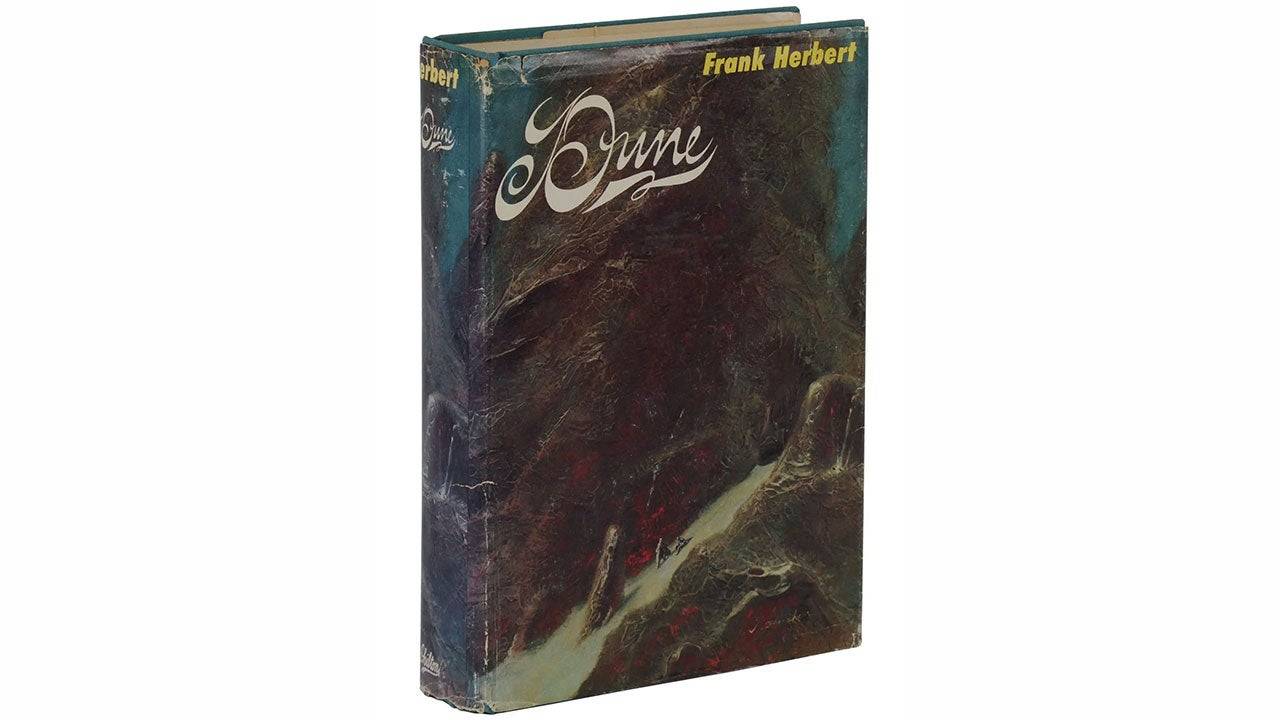

Forty years ago this week, David Lynch's polarizing Dune adaptation debuted—a $40 million box office disappointment that has since cultivated a passionate cult following. This anniversary offers an opportune moment to revisit Ridley Scott's elusive take on Frank Herbert's masterpiece, abandoned shortly before Lynch took the reins.
The Long-Lost Script Emerges
Thanks to the research efforts of T.D. Nguyen, Scott's October 1980 screenplay draft—written by renowned scribe Rudy Wurlitzer—has surfaced from the Coleman Luck archives at Wheaton College. This discovery provides unprecedented insight into what might have been.
"The Dune adaptation was one of the most difficult jobs I've ever done," Wurlitzer confessed to Prevue Magazine in 1984. "We kept the book's spirit while introducing a different sensibility." Scott himself maintained the script was "pretty fucking good" when recalling it decades later.
A Radical Reimagining
The draft begins with prophetic desert visions before introducing Paul Atreides—not as Chalamet's brooding adolescent but as a fierce seven-year-old undergoing Bene Gesserit trials. Producer Stephen Scarlata observes, "Wurlitzer's Paul actively commands his destiny rather than reluctantly accepting it."
The script's most controversial element—later excised—was overt Oedipal tension between Paul and Lady Jessica. Herbert famously bristled at this deviation, telling The Sacramento Bee, "He wanted to do an incest movie!"
Visual Grandeur Meets Political Complexity
Scott's signature visual density permeates the screenplay, from Guild Navigators resembling Prometheus' Engineers to medieval-inflected Arakeen slums evoking contemporary socio-political strife. Screenwriter Ian Fried praises how the draft "gives ecological and political themes equal weight"—an approach subsequent adaptations would recalibrate.
The climactic Water of Life ceremony exemplifies Scott's blend of mysticism and spectacle, featuring a hermaphroditic shaman performing an erotic dance with a sandworm. Yet surprisingly, the script stops short of depicting Paul's iconic worm ride—the very moment Herbert most wanted preserved.
Legacy of a Lost Vision
While clearly a product of its post-Star Wars, pre-Blade Runner moment, Scott's Dune remains fascinating for how it wrestled with Herbert's complex themes. As Fried notes, "This adaptation makes ecological destruction feel urgently relevant." Perhaps someday another filmmaker will revisit these undertapped dimensions of Herbert's enduring allegory.
The script's surfacing invites fresh appreciation for Dune's stubborn adaptability—and proof that even abandoned versions can illuminate new facets of this ever-resonant saga.
Latest Articles
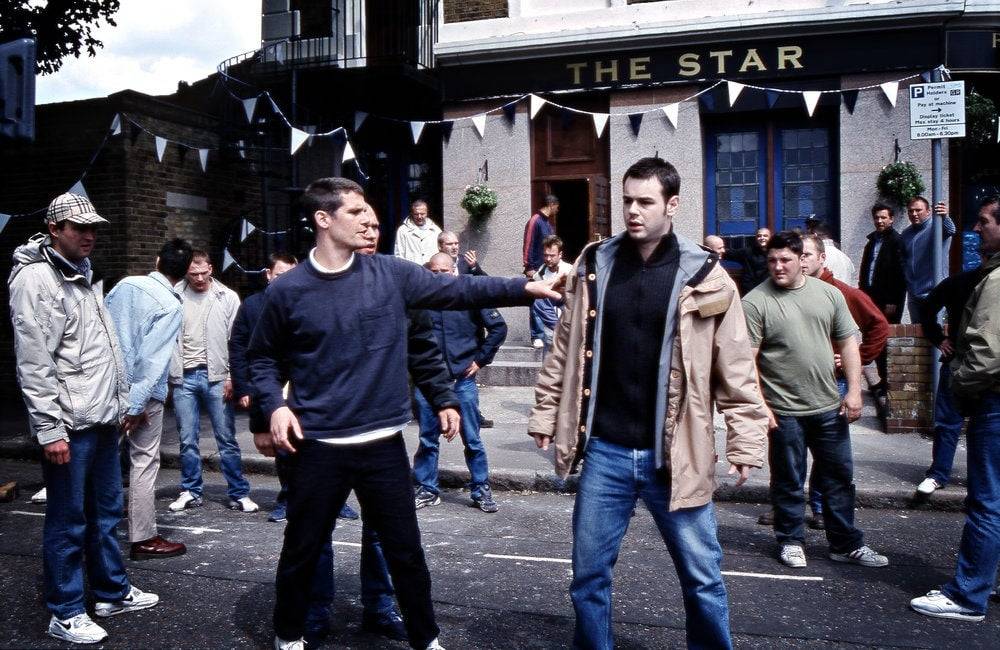
Danny Dyer's New Film Sparks Social Media Frenzy
The Nine-Year Wait is OverAfter nearly a decade of soaring through Clash Royale battles without an upgrade, the Inferno Dragon finally gets its moment to shine with a spectacular Evolution form. To celebrate this milestone, Supercell cooked up someth

Real Vampires gives you a taste (or a bite) of authentic Slavic vampire folklore, coming soon this Halloween
Quirky visuals and dual perspectivesHorror and humour combinedLaunching on October 30thDespite what Hollywood—especially its gleaming vampires—might have you believe, blood-sucking creatures of the night stem from real folklore. The aptly titled Real

Dunkadillo Is an Upcoming Platformer from the Creator of the Dadish Series
Thomas K. Young, the indie creator known for games like Dadish, Be Brave, Barb, and Super Fowlst, returns with a fresh platforming experience named Dunkadillo, launching soon on Android. This title merges basketball gameplay mechanics with armadillo

NetEase Launches Multifaction Adventure Sea of Remnants
Sea of Remnants is the latest teaser release from NetEase.It showcases a musical score and a pirate theme.So far, there are few concrete details, leaving ample room for speculation.Not long ago, NetEase was widely viewed unfavorably by many, particul
Trinity Trigger Classic JRPG Launches on Mobile
Trinity Trigger is now available on iOS and AndroidExperience classic JRPG action on mobile, drawing inspiration from 90s favoritesInstantly swap between eight weapon types and craft your party to conquer challenging dungeonsWhen you hear "old school

Sonic Racing: CrossWorlds Reveals Closed Test Features
Sonic Racing: CrossWorlds will showcase a variety of beloved characters from the Sonic universe and beyond. Discover all the exciting new features, gameplay mechanics, and details about the upcoming closed network test in our latest update.Discover t
Latest Games

Secret Forest
Card丨28.10M

Hyper PA
Role Playing丨125.94M


Slot Book 777
Card丨28.10M


Jet Gaming
Card丨12.80M


4Play - Mau Binh Online
Card丨47.60M

Дурак на Раздевание +18
Card丨24.60M
Trending Games
MORE +






![FurrHouse [Ch. 3]](https://images.dshu.net/uploads/30/1719555089667e54115d59f.jpg)
Top News
MORE +

01
01-16
Zenless Zone Zero Confirms Version 1.5 Special Program Livestream Date and Time
SummaryZenless Zone Zero revealed the start date for Version 1.5 "Astra-nomical Moment" on January 10 at 19:30 (UTC+8).Version 1.5 plans to add S-Rank characters Astra Yao and Evelyn Chevalier.Not much else is known about Version 1.5, though recent leaks have teased plenty of new content and events
02
01-21
Final Fantasy Updates Fix Controller Glitch
Patches for Final Fantasy VII Remake are now available on Steam, the Epic Games Store, and PlayStation 5. This update resolves issues with controller vibration motors. The game follows Cloud Strife, a former SOLDIER, as he joins Avalanche to prevent Shinra Electric Power Company from destroying th
03
04-18
"Jurassic World Rebirth Trailer Unveils Dinosaur Chaos Before Summer Release"
Jurassic World Rebirth made a roaring entrance during Super Bowl Sunday with a special trailer that showcased even more dinosaur action in anticipation of its July 2025 premiere. The latest footage features stars Scarlett Johansson and Mahershala Ali, who initially capture the audience's attention b
04
04-24
"Dune: Awakening Delay Extended by Three Weeks for Beta-Inspired Changes"
Dune: Awakening, the highly anticipated open-world survival MMO inspired by Frank Herbert's iconic sci-fi novels and Denis Villeneuve's films, has been pushed back to a new release date of June 10, 2025. Funcom, the game's developer, announced this delay alongside an exciting early access opportunit
05
12-12
Immersive Adventure Awaits in 'In the Turquoise Moonglow' Update for Wuthering Waves
Wuthering Waves Version 1.2 Update: A Sneak Peek at "In the Turquoise Moonglow"
Get ready, Wuthering Waves players! Kuro Games is launching Phase One of the highly anticipated Version 1.2 update on August 15th. A new trailer reveals exciting additions, including a fresh Resonator, new weapons, ques
Topics
More +