
Le directeur de jeu de Dawnwalker quitte CDPR pour fonder sa propre studio
Auteur : Jonathan
Mar 24,2026
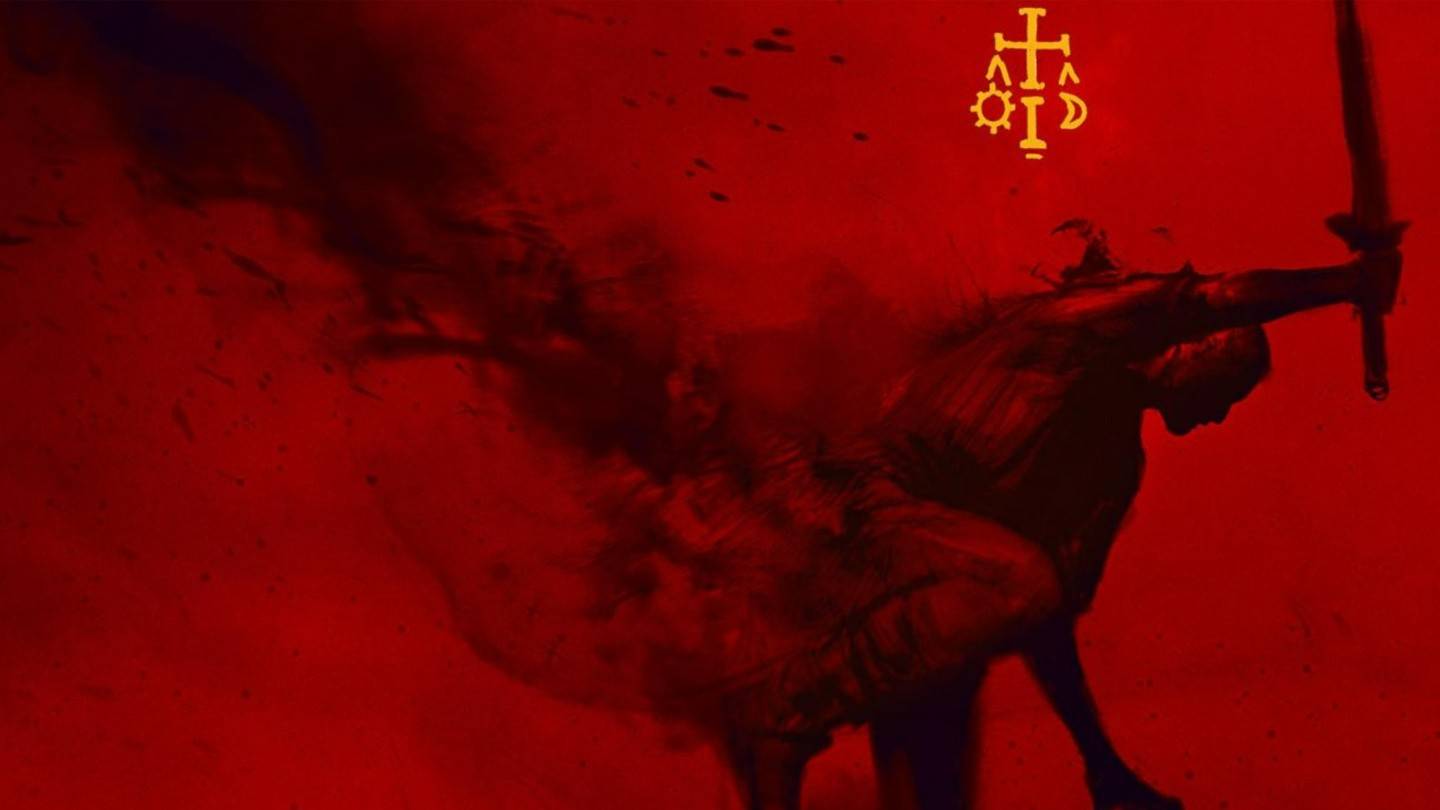
Mateusz Tomaszkiewicz’s decision to leave CD Projekt RED after the monumental releases of The Witcher 3: Wild Hunt and Cyberpunk 2077 reflects a broader creative evolution seen in many talented developers who, despite their success within major studios, seek to reclaim artistic autonomy. His founding of Rebel Wolves, and the unveiling of their new project, The Blood of Dawnwalker, marks a bold step into uncharted territory—one driven not by franchise loyalty, but by a deep-rooted desire to innovate.
Tomaszkiewicz’s statement reveals a few key motivations behind his departure:
-
Creative Freedom: At a large studio like CD Projekt RED, even with creative input, the scale and structure can constrain risk-taking. The pressure to deliver on established IPs—especially with Cyberpunk 2077's complex development and aftermath—may have made it difficult to pursue truly experimental ideas. By founding Rebel Wolves, Tomaszkiewicz and his team are free to explore "wild ideas" unshackled by corporate approval chains or legacy expectations.
-
Shared Vision with Trusted Peers: He emphasizes creating something with his friends—those who share his passion for RPGs and storytelling. This sense of camaraderie and mutual creative drive is a powerful engine for innovation. In small studios, the alignment of vision isn't diluted by layers of management or divergent priorities.
-
Redefining RPG Mechanics: His mention of expanding and evolving RPG rules signals a desire to go beyond traditional systems. The Blood of Dawnwalker may not just be a new game—it could be a reimagining of what role-playing means in modern gaming. This ambition likely wouldn’t thrive in the cautious environment of a large publisher, where innovation often comes at the cost of commercial predictability.
-
The Power of Small Teams: Tomaszkiewicz rightly points out that small teams foster better communication, faster iteration, and a stronger emotional connection to the project. In a small studio like Rebel Wolves, every member’s voice matters. This environment can ignite what he calls the "creative fire"—a rare spark that fuels truly original experiences.
The story of The Blood of Dawnwalker is more than just another RPG announcement. It’s a testament to the evolving landscape of game development: where creators, inspired by past successes but not bound by them, are choosing to build new worlds from the ground up. It’s a reminder that the next groundbreaking experience might not come from a giant studio—but from a small group of dreamers, united by a shared belief that the future of games lies not in repetition, but in reinvention.
As Rebel Wolves steps into the spotlight, the gaming world watches not just for a new game—but for a new philosophy in storytelling, design, and creative courage.
Derniers articles
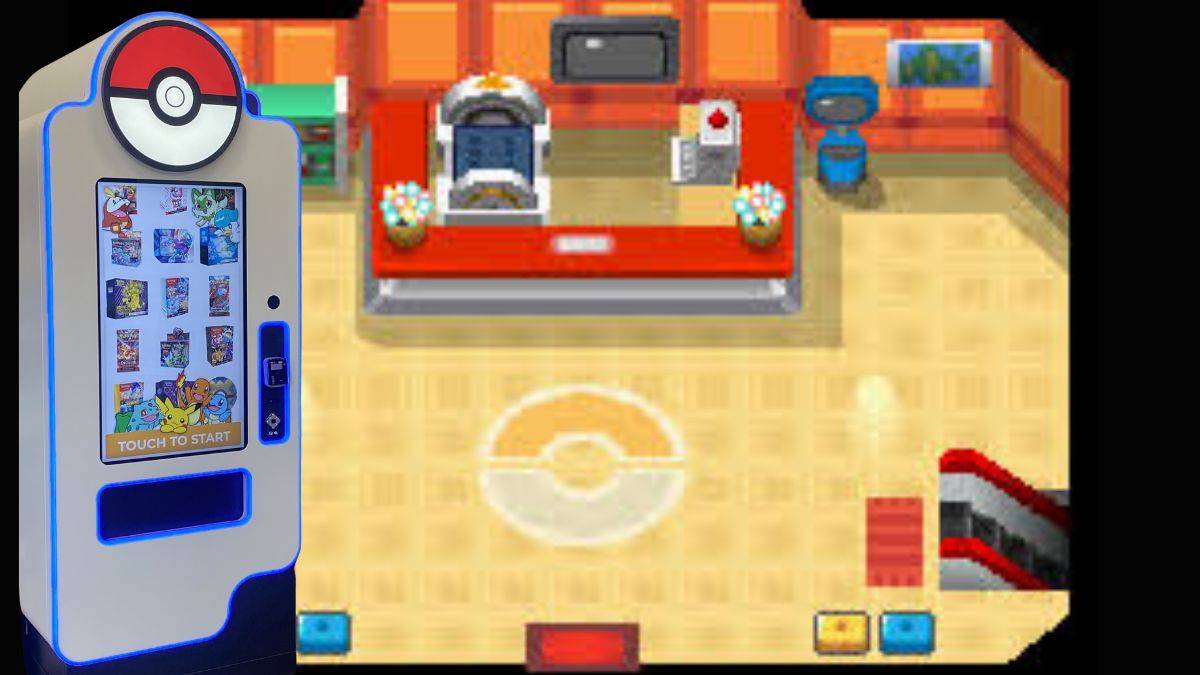
Machines à sous Pokémon : que contiennent-elles et où les trouver ?
Si vous êtes un fan de Pokemon actif sur les réseaux sociaux, il est probable que vous ayez croisé des conversations autour des distributeurs automatiques de Pokémon. Alors que The Pokemon Company élargit son déploiement aux États-Unis, les fans se p

Hatsune Miku entre dans l'MMORPG Toram Online
Hatsune Miku entre dans l'univers de Toram Online Tenues et avatars exclusifs de la collaboration disponibles Date de début de l'événement : le 30 janvier Asobimo, Inc. a annoncé un nouvel événement collaboratif pour Toram Online mettant en vedett

World of Tanks Blitz collaborera avec la version télévisée de The Walking Dead produite par AMC
The Walking Dead fait son entrée dans World of Tanks Blitz pour un événement crossover effrayant !L’aventure débute avec Daryl Dixon à la tête de l’événement All Out War, qui offre des récompenses exclusives en collaboration.Plongez dans des quêtes m
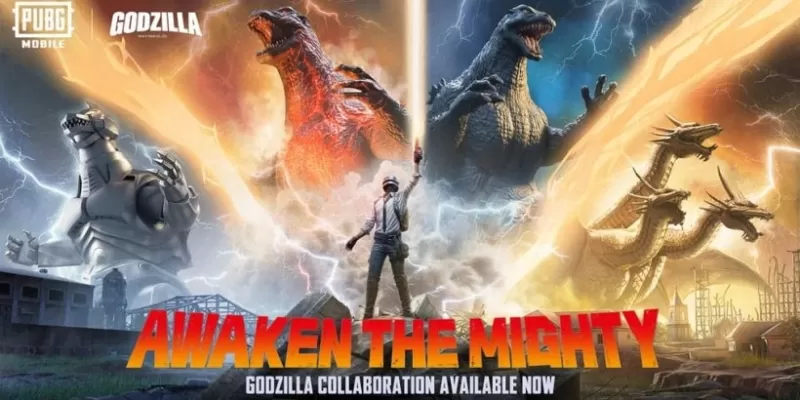
Godzilla entre en scène dans les batailles de PUBG Mobile
PUBG Mobile présente Godzilla dans son dernier événement à durée limitée Des collections cosmétiques exclusives mettant en vedette le monstre emblématique et ses rivaux légendaires sont désormais disponibles Combattez aux côtés des miniatures Burni

Ah, you're diving into the wild world of In-Game Dinosaur Park—sounds like a thrilling mix of adventure, creativity, and prehistoric charm! Whether you're building a Jurassic wonderland, managing dinosaur habitats, or surviving alongside fierce T-Rexes, here’s how to level up your park experience:
🦕 Top Tips for Building the Ultimate Dinosaur Park:
Diverse Ecosystem Zones
Create biomes like jungles (for Velociraptors), swamps (for Spinosaurus), grasslands (for Triceratops), and volcanic highlands (for Ankylosaurus).
Use terrain tools to mimic real paleo-environments—adds realism and helps dinosaurs thrive.
Behavior & Feeding Systems
Watch how your dinos interact. Some may fight, others bond.
Provide proper food (plants for herbivores, meat for carnivores). Use automated feeders or plant lush vegetation.
Visitor Experience is Key
Add walking paths, viewing platforms, and glass barriers.
Include attractions like dinosaur shows, fossil dig zones, or a ranger HQ with trivia.
Security & Dino Management
Use electrified fences, motion sensors, and drones to monitor escape risks.
Assign keepers or AI rangers to handle emergencies (like a rampaging T-Rex!).
Customization & Upgrades
Unlock rare dinos (like a glowing Pterodactyl or a cybernetic Stegosaurus).
Upgrade your park with solar panels, theme shops, or a dinosaur museum.
Story Mode & Quests
Take on missions: “Rescue a baby Diplodocus,” “Build a Dino Safari Tour,” or “Survive a meteor impact!”
Unlock lore about extinct species through in-game journals.
Multiplayer Fun (if available)
Team up with friends to build a mega-park.
Host dino races, contests, or even a “Dino Battle Royale”!
🎮 Pro Game Tip:
If you’re using a game like ARK: Survival Evolved, Jurassic World: Evolution, or Dinosaur Park (mobile/PC indie)—check mod communities or DLCs for exclusive creatures and park themes!
—
Whether you’re a park architect, dino trainer, or just here for the chaos, remember:
"The park isn’t just a place—it’s a promise to protect the past… and thrill the future."
Got a favorite dino you’re raising? Or a park disaster you’d like help fixing? Let me know—I’ve got a dino-sized solution ready! 🦖💥
🦖 Dino-Mania Awaits in Play Together’s Latest Update! 🦕
Step into the wild world of Play Together like never before with the explosive Dinosaur Park Update — now live on Kaia Island! What was once a quiet camping ground has been transformed into a lu
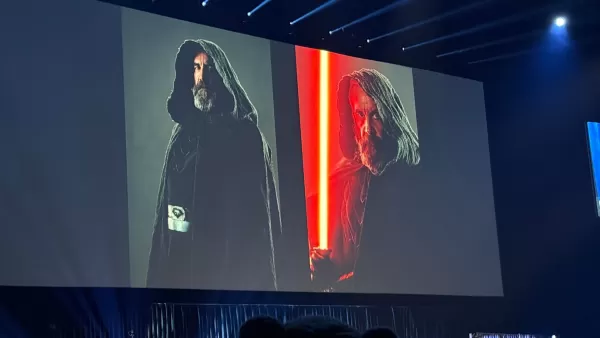
Rory McCann incarne Baylan Skoll dans la série Ahsoka
Star Wars Celebration a dévoilé notre premier aperçu de Rory McCann dans le rôle de Baylan Skoll pour la saison 2 d’Ahsoka. Pour rappel, McCann reprend le personnage après le décès de Ray Stevenson. Bien que nous n'ayons pas encore vu les performanc
Derniers jeux



Hitomi's Sick Pleasure
Occasionnel丨597.60M
Ghoul Slot SE
Carte丨9.90M

1000 words
Puzzle丨39.60M



Dragon Wings - Space Shooter
Action丨139.90M

Phobies: PVP Monster Battle
Carte丨426.80M
Jeux tendance
Plus +







Meilleures nouvelles
Plus +

01
01-16
Zenless Zone Zero confirme le programme spécial de la version 1.5 Livestream Date et heure
RésuméZenless Zone Zero a révélé la date de début de la version 1.5 "Astra-nomical Moment" le 10 janvier à 19h30 (UTC 8). La version 1.5 prévoit d'ajouter les personnages de rang S Astra Yao et Evelyn Chevalier. On ne sait pas grand-chose d'autre sur la version 1.5, bien que des fuites récentes aient révélé de nombreux nouveaux contenus et événements
02
01-21
Les mises à jour de Final Fantasy corrigent un problème de contrôleur
Les correctifs pour FINAL FANTASY VII Remake sont désormais disponibles sur Steam, Epic Games Store et PlayStation 5. Cette mise à jour résout les problèmes liés aux moteurs de vibration des contrôleurs. Le jeu suit Cloud Strife, un ancien SOLDAT, alors qu'il rejoint Avalanche pour empêcher la Shinra Electric Power Company de détruire le
03
04-18
"La bande-annonce de Jurassic World Rebirth dévoile le chaos de dinosaure avant la sortie d'été"
Jurassic World Rebirth a fait une entrée rugissante pendant le Super Bowl dimanche avec une bande-annonce spéciale qui a montré encore plus d'action de dinosaures en prévision de sa première en juillet 2025. La dernière séquence comprend les stars Scarlett Johansson et Mahershala Ali, qui capturent initialement l'attention du public B
04
12-12
Une aventure immersive vous attend dans la mise à jour « In the Turquoise Moonglow » pour Wuthering Waves
Mise à jour Wuthering Waves version 1.2 : un aperçu de "In the Turquoise Moonglow"
Préparez-vous, joueurs de Wuthering Waves ! Kuro Games lance la première phase de la très attendue mise à jour de la version 1.2 le 15 août. Une nouvelle bande-annonce révèle des ajouts passionnants, notamment un nouveau résonateur, de nouvelles armes et des quêtes.
05
04-24
"Dune: le retard d'éveil prolongé de trois semaines pour les modifications inspirées de la version bêta"
Dune: Awakening, le très attendu MMO survival du monde ouvert inspiré par les romans de science-fiction emblématiques de Frank Herbert et les films de Denis Villeneuve, a été repoussé à une nouvelle date de sortie du 10 juin 2025. Funcom, le développeur du jeu, a annoncé ce retard parallèlement à une opportunité d'accès anticipé passionnante.
Sujets
Plus +