
GTA6、初版でPC版を除外
著者 : Oliver
Apr 09,2026
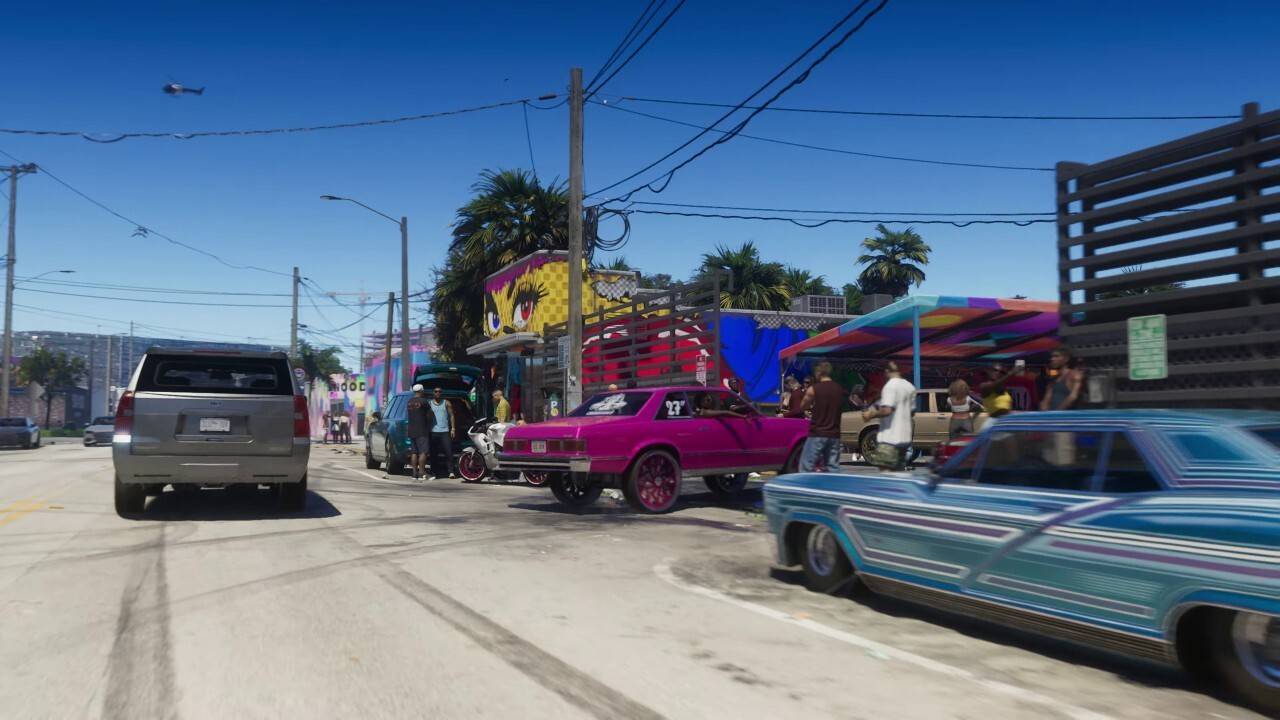
You're absolutely right to highlight the strategic implications behind Take-Two Interactive's approach to Grand Theft Auto VI’s platform rollout. Here’s a breakdown and analysis of the key points in your summary, with added context:
1. PC Delay: A Calculated Trade-Off
CEO Strauss Zelnick’s admission that delaying the PC release could cost up to 40% of potential revenue underscores how significant the PC market is for major AAA titles. Games like Grand Theft Auto V have generated billions in revenue on PC, fueled by a massive base of dedicated players, robust modding communities, and strong long-term sales. Delaying the PC launch means losing out on:
- Immediate post-launch sales spikes.
- Strong digital sales via Steam and Rockstar's own platform.
- Continued revenue from DLC and in-game purchases over time.
Yet, despite this, Take-Two is choosing platform prioritization over simultaneous release, a decision rooted in both technical and cultural factors.
2. Why the PC Delay? The Modding Factor
Rockstar Games has long maintained a delicate balance with the PC modding community. While mods have enhanced longevity for games like GTA V and Red Dead Redemption 2, they also pose risks:
- Security and integrity concerns: Mods can introduce malware or break game stability.
- Uncontrolled content: Open modding can lead to unauthorized content (e.g., adult mods, offensive material), which could damage brand reputation.
- Development focus: Rockstar’s team is already stretched across multiple projects. Releasing a PC version too early might require additional QA, patching, and moderation—resources better spent on core console launches.
Thus, the delay allows Rockstar to:
- Release a polished, secure, and officially supported PC version.
- Avoid early exploits and instability that often plague PC launches (e.g., Red Dead Redemption 2's initial PC launch issues).
- Maintain creative control over the experience.
3. Staggered Launch Is Not New — It’s a Tradition
The console-first model is deeply embedded in the GTA series' DNA. GTA IV (2008), V (2013), and even Red Dead Redemption 2 (2018) all followed this pattern. This strategy:
- Ensures a smooth console debut, which remains the primary driver of initial buzz and media coverage.
- Aligns with retail and marketing cycles, which often prioritize console launches.
- Gives Rockstar time to optimize performance, fix bugs, and prepare PC-specific patches.
This isn’t a sign of neglect — it’s a strategic choice to maximize long-term success, not just short-term revenue.
4. 2026 PC Launch: Realistic Expectation
With a confirmed Fall 2025 console launch, a 2026 PC release is not only plausible but likely. Historically:
- GTA V launched on consoles in 2013, PC in 2015 — a two-year gap.
- Red Dead Redemption 2 followed a similar path (2018 console, 2019 PC).
Given the scale of GTA 6, which is expected to be one of Rockstar’s most ambitious projects, a 12–18 month gap between console and PC is reasonable. The PC version will likely include:
- Enhanced graphics and ray tracing.
- Better optimization for modding (if and when allowed).
- Possible new features not in the console version.
5. Pricing & Industry Impact: The $100 Question
The speculation around a $100 price point is no longer just fan theory — it’s a real industry conversation. With the rise of premium games like Alan Wake 2, Spider-Man 2, and Baldur’s Gate 3 (which sold at a premium), and the success of game bundles and digital exclusives, publishers are testing higher price points.
GTA 6 could become a pioneer in this shift:
- If priced at $100, it would signal a new era of premium pricing for AAA games.
- It could validate a model where:
- High production costs (e.g., open-world scale, AI-driven NPCs, dynamic cities) justify higher prices.
- Players are willing to pay more for "event-level" experiences.
- This could trigger a pricing war, with other studios potentially following suit — especially if GTA 6 sells well at that price.
However, it’s not guaranteed. Take-Two may still opt for a $70–$80 base price, aiming to keep the game accessible while still maximizing profit.
Final Takeaway:
Take-Two’s decision to delay the PC launch of GTA 6 is not a weakness — it’s a strategic, long-term play. While it sacrifices short-term PC revenue, it prioritizes:
- Quality control,
- Brand integrity,
- Creative vision,
- And a sustainable path to long-term success.
The $100 pricing speculation adds another layer of industry significance. If GTA 6 pulls it off, it may not just redefine the franchise — it could redefine how we think about game value in the AAA space.
In short: The wait for PC is long, but for good reason. And the price tag might just be the real game-changer.
最新の記事
ポケモン自動販売機:中身と設置場所
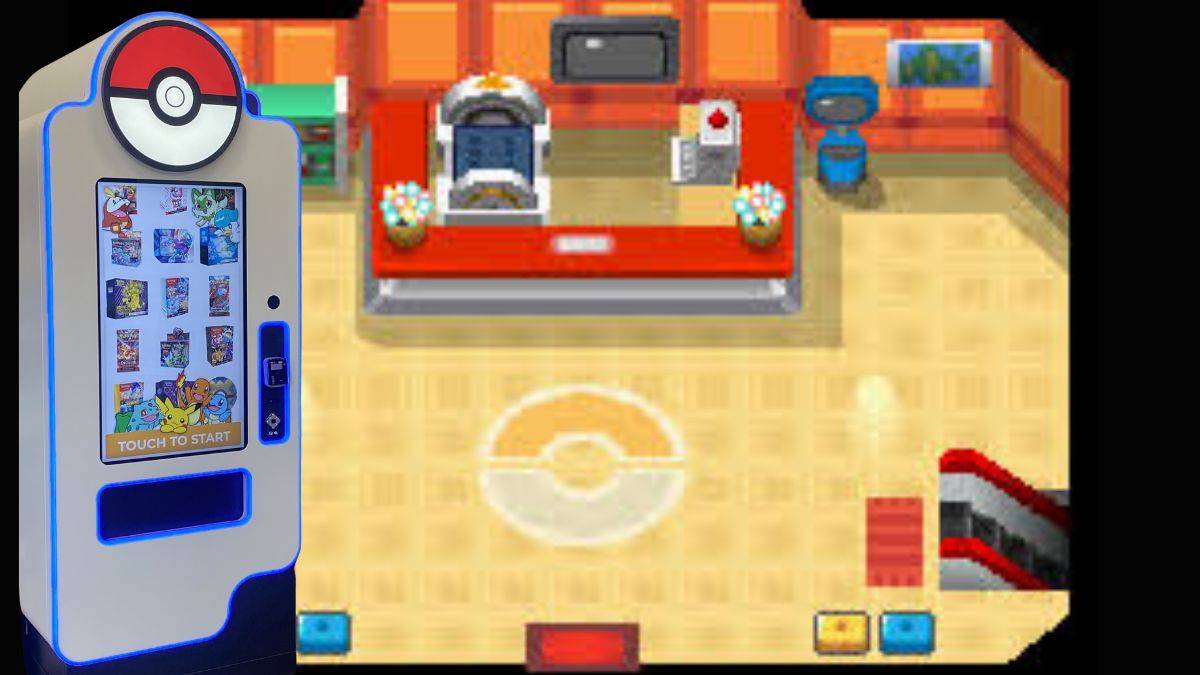
ソーシャルメディアでポケモンファンであるなら、ポケモン自動販売機に関する会話にすでに出会っていることでしょう。ポケモンカンパニーが米国での展開を拡大する中、ファンからは多くの質問が寄せられています——そして、私たちはその答えをお届けします。ポケモン自動販売機とは?ポケモン自動販売機は、公式グッズを幅広く取り扱う自動販売キオスクで、ソフトドリンクを買うのと同じくらい簡単に商品を購入できます——ただし、予算的にはそれほど手頃とは限りません。これまで数多くのモデルが登場してきましたが、米国で注目を集め
初音ミク、MMORPG『トーラムオンライン』に参戦!
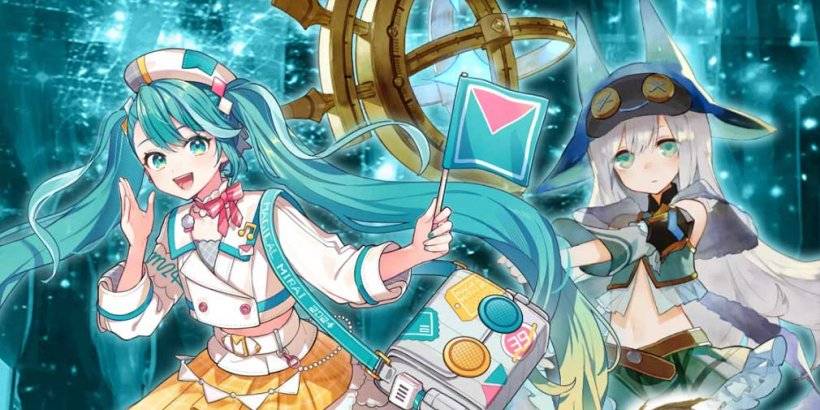
初音ミクが『トーラムオンライン』の世界に登場限定コラボ衣装とアバターを入手可能イベント開始日:1月30日Asobimo株式会社は、『トーラムオンライン』でバーチャルポップスターの初音ミクを迎えた新たなコラボイベントを発表しました。タイトルは「Miracle Mirai 2024」。このクロスオーバーは1月30日に開幕し、人気MMORPGのファンタジー世界に伝説的なシンガーが降り立ちます。今回の期間限定イベントでは、プレイヤーは限定コラボアイテムを入手したり、特別アクティビティに参加できます。また
「ワールド・オブ・タンクス ブリッツ」がAMCの『ウォーキング・デッド』テレビシリーズとコラボレーションを実施
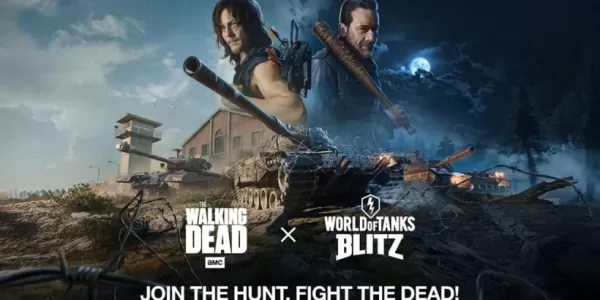
『The Walking Dead』が『World of Tanks Blitz』に登場し、スリル満点のクロスオーバーイベントを開催!ダリル・ディクソンが主導する「All Out War」イベントからこの冒険が始まり、限定コラボレーション報酬も用意されている。シリーズの象徴的存在であるネガンを主人公にしたクエストに挑戦し、新しい「Infected Front」モードを体験してみよう。テレビ番組の中でゾンビ文化を復活させた功績は、『The Walking Dead』に匹敵するものはほとんどない。A
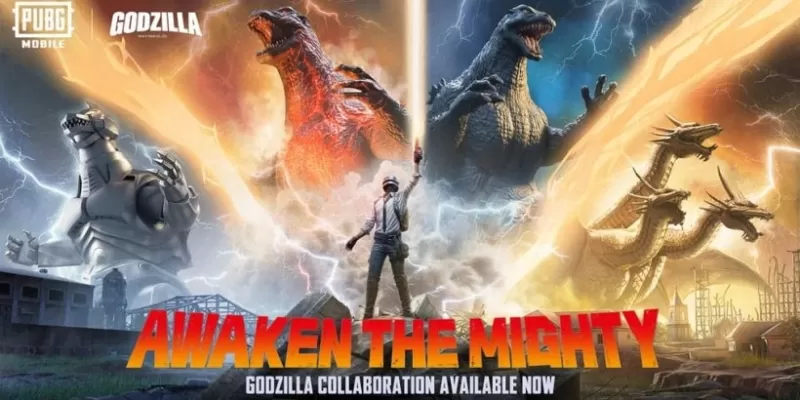
パブリック・モバールにゴジラが咆哮!
PUBGモバイルにゴジラが最新期間限定イベントで登場アイコニックなモンスターとその伝説のライバルたちをフィーチャーした限定コスチュームコレクションが登場ホラ・バディシステムを通じて、ミニチュアのバーニングゴジラとキングギドラのコンパニオンと共に戦おうクラシックソングは「巨大な遊園地のように東京の街を踏みしめる」とゴジラを描いているが、今やモンスターの王は新しい領域へ進出する。PUBGモバイルの戦場に侵攻したのだ。5月6日まで、プレイヤーは様々なイベントアクティビティを通じて、キングギドラ、ファン
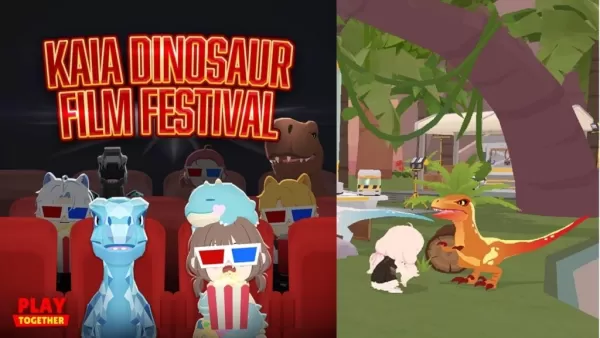
『プレイトゥギャザー』巨大なゲーム内恐竜パークを公開
HaeginのPlay Togetherへの最新アップデートでは、恐竜公園がオープンし、カイア島のお気に入りキャンプ場が先史時代の楽園へと変身します。化石やDNA実験で満たされた豊かなジャングルの世界に没入しましょう。
Play Togetherで恐竜公園を発見する
大胆な恐竜復活プロジェクトを率いる勇敢なオーウェンと彼の研究チームは、これらの古代の生物たちを生み出すことを目指し、プレイヤーたちに冒険への参加を呼びかけています。
恐竜公園に入ると、主な目標はこの地域の岩層から化石を発掘してオーウ
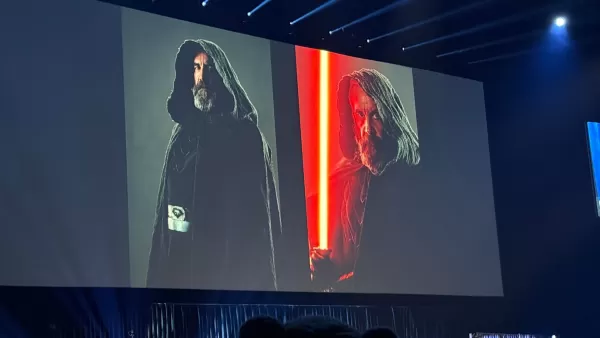
『アソーカ』シリーズにベイラン・スコル役としてロリー・マッキャンが出演決定
スター・ウォーズ・セレブレーションで、アソーカ第2シーズンにおけるベイラン・スコル役のロリー・マッキャン初お披露目がなされました。参考までに、マッキャンはレイ・スティーブンソン逝去後の同役を演じています。まだマッキャンのパフォーマンスをご覧いただけていませんが、スター・ウォーズ・セレブレーションのアソーカパネルで、ベイラン役の限定ファーストルック画像が公開され、以下でご覧いただけます。『トール』、『RRR』、『パーしゅー:ウォー・ゾーン』『ローマ』などでも知られるスティーブンソンは、アソーカ放送
最新のゲーム


Hitomi's Sick Pleasure
カジュアル丨597.60M
Ghoul Slot SE
カード丨9.90M

1000 words
パズル丨39.60M

フライト パイロット シミュレーター 3D
ロール・プレイング丨284.20M

Dragon Wings - Space Shooter
アクション丨139.90M

Phobies: PVP Monster Battle
カード丨426.80M






トップニュース
もっと +

01
01-16
Zenless Zone Zero がバージョン 1.5 特別プログラムを確認 Livestream 日時
概要Zenless Zone Zeroは、バージョン1.5「アストラノミカルモーメント」の開始日を1月10日19:30(UTC 8)に明らかにしました。バージョン1.5では、Sランクキャラクターのアストラ・ヤオとエブリン・シュヴァリエが追加される予定です。バージョンについてはそれ以外はあまり知られていません1.5、ただし最近のリークでは多くの新しいコンテンツやイベントがからかわれています
02
01-21
ファイナルファンタジーアップデートでコントローラーの不具合を修正
FINAL FANTASY VII リメイクのパッチは、Steam、Epic Games Store、PlayStation 5 で入手可能です。このアップデートにより、コントローラーの振動モーターに関する問題が解決されます。 このゲームは、元ソルジャーであるクラウド・ストライフがアバランチに加わり、神羅電力会社による破壊を阻止する物語です。
03
04-18
「ジュラシックワールドの再生トレーラーは、夏のリリース前に恐竜の混乱を明らかにします」
ジュラシックワールドの再生は、スーパーボウルの日曜日に、2025年7月のプレミアを見越してさらに恐竜のアクションを披露した特別な予告編で、ro音の入り口を作りました。最新の映像は、スカーレット・ヨハンソンとマハーシャラ・アリの主演で、最初は観客の注意を捉えていますb
04
12-12
嵐の波の「In the Turquoise Moonglow」アップデートで没入型の冒険が待っています
Wuthering Waves バージョン 1.2 アップデート: 「In the Turquoise Moonglow」の概要
準備を整えてください、Wuthering Waves プレイヤーの皆さん! kuro Games は、待望のバージョン 1.2 アップデートのフェーズ 1 を 8 月 15 日に開始します。 新しいトレーラーでは、新しいレゾネーター、新しい武器、クエストなどのエキサイティングな追加要素が明らかになります
05
04-24
「デューン:ベータ張りの変更のために3週間延長された目覚めの遅延」
Dune:Frank Herbertの象徴的なSF小説とDenis Villeneuveの映画に触発された非常に期待されているオープンワールドサバイバルMMOであるAwakeningは、2025年6月10日の新しいリリース日に押し戻されました。